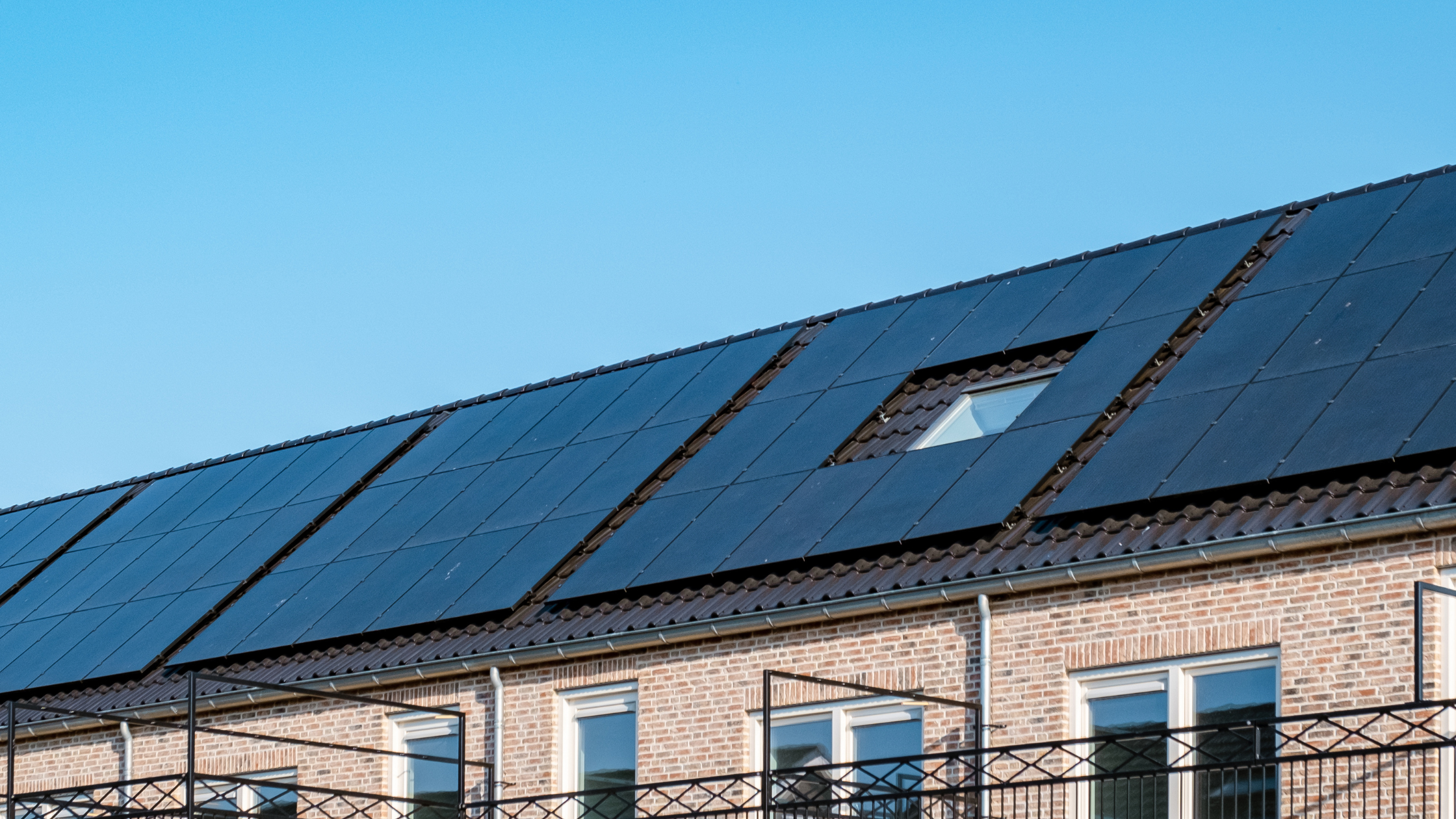
As the world increasingly turns to sustainable and renewable energy sources, solar photovoltaic (PV) panels have emerged as an environmentally-friendly and cost-effective option for homeowners. Installing solar panels on your roof allows you to generate clean electricity, reduce your carbon footprint, and potentially save money on your energy bills. However, before you embark on this green energy journey, you might be wondering, "Is my roof suitable for solar PV panels?" This comprehensive guide aims to answer that question and provide essential insights for homeowners with limited technical knowledge.
Orientation and Positioning
The orientation and positioning of your roof play a critical role in determining the efficiency of solar PV panels. In general, roofs that face south receive the most sunlight throughout the day, making them the ideal orientation for solar panels. East and west-facing roofs can also work well, though they may generate slightly less electricity. North-facing roofs are generally not recommended as they receive the least amount of direct sunlight. Moreover, you can also figure out your house’s orientation by using a compass or with the help of google maps.
Roof Pitch
The pitch of your roof, or its slope, is another important factor to consider. Most residential roofs, regardless of pitch, can accommodate solar panels. However, roofs with a pitch between 15 and 40 degrees are often considered optimal for solar installations. If your roof has an extreme pitch or is completely flat, it may still be possible to install solar panels with the use of mounting systems designed for specific roof types.
How to calculate roof pitch
Calculating the pitch of a roof is a straightforward process, and beginners can easily do it with some basic tools and measurements. The roof pitch is the slope of the roof and is typically expressed as a ratio of rise to run. In other words, it indicates how much the roof rises vertically for every foot it extends horizontally. Here's a step-by-step guide on how to calculate roof pitch for beginners:
Materials you'll need:
- Tape measure
- Level (a long one is preferable)
- Pen or pencil
- Paper or notepad to record measurements
Step 1: Choose a Measuring Point Select a spot on the roof where you can safely and easily measure the rise (vertical height) and run (horizontal distance). The measuring point should be consistent with the overall slope of the roof.
Step 2: Measure the Horizontal Run Using the tape measure, measure the horizontal distance from the chosen measuring point to the point directly below it on the same horizontal plane. This measurement represents the run.
Step 3: Measure the Vertical Rise Now, place the level against the roof at the measuring point, making sure it is perfectly horizontal. Measure the vertical distance from the point where the level touches the roof to the starting measuring point. This measurement represents the rise.
Step 4: Calculate the Pitch To calculate the roof pitch, divide the rise by the run and convert the ratio into a fraction or a degree.
Option A: Express as a Fraction The pitch can be expressed as a fraction with the rise as the numerator and the run as the denominator. For example, if the rise is 6 feet and the run is 24 feet, the pitch would be expressed as 6/24.
Option B: Express as Degrees To convert the pitch to degrees, you can use the following formula:
Pitch (in degrees) = arctan (rise ÷ run)
If you're not comfortable with trigonometric calculations, you can use an online pitch calculator or pitch conversion chart to find the pitch in degrees.
Step 5: Determine Roof Type Once you have the roof pitch, you can determine the type of roof you have. Roof pitches are commonly classified as follows:
- Flat or nearly flat roof: 0° to 2°
- Low-slope roof: 2° to 4°
- Conventional or moderate-pitch roof: 4° to 9°
- Steep-pitched roof: 9° to 18°
- Very steep roof: 18° and above
Remember to exercise caution and safety while measuring the roof pitch. If you feel uncomfortable or unsure about accessing your roof, it's best to seek assistance from a professional or a roofing expert.
Available Space
The amount of available roof space is a crucial consideration. Solar panels come in various sizes and wattages, and the number of panels you can install depends on the available space and your energy needs. Generally speaking, adding more panels will increase power production and necessitate more space. Consequently, before determining the size of the solar PV system for your roof, assess your household's energy consumption. Analyze your past electricity bills to understand your average monthly usage. A professional solar installer can help you size the system according to your energy needs and available roof space. They will take into account factors such as household size, daily electricity consumption, and any plans for future energy usage changes. Moreover, it is also worth noting that panels with higher efficiency produce more electricity for a given roof area. While high-efficiency panels may come at a slightly higher cost, they can be worth the investment, especially if your roof space is limited, as they allow you to generate more electricity in a smaller area.
Roof Type and Condition
The type and condition of your roof are essential factors when determining the suitability of solar PV panels. Most roof materials, such as asphalt shingles, metal, concrete tiles, and composite shingles, can support solar panel installations. However, if your roof is in poor condition or nearing the end of its life, it is advisable to address any repairs or consider re-roofing before installing solar panels. Still, there are alternative choices if your roof is unsuitable for solar panels. For instance, you might be able to use any shade-free land you own to put ground-mounted solar panels. Additionally, solar panels are relatively lightweight, but it's crucial to ensure that your roof can bear the additional weight of the installation.
Shading
Shading is a significant consideration for solar PV panels. Even a small amount of shade can significantly impact the overall performance of your solar system. Trees, nearby buildings, chimneys, or other obstructions that cast shadows on your roof during peak sunlight hours can reduce energy production. Solar panels are linked together, which means that even if the shadowing may only be seen on one panel, the performance of the entire system is impacted. However, technology exists to lessen the effects of shadowing on solar panel systems; these devices are referred to as DC Power Optimizers.
Before installing solar panels, it's essential to identify potential shading issues and determine whether trimming trees or adjusting panel positioning can mitigate the impact. Additionally, you must determine if the shading is dynamic (temporary) or static (permanent) and how much of an effect it will have on the functionality of your system.
Local Climate and Sunlight
The local climate and amount of sunlight your area receives throughout the year directly affect the efficiency of solar panels. Areas with more sunny days will generally generate more electricity from solar panels. However, solar panels can still be a viable and cost-effective option in regions with less sunlight, as long as the roof receives a reasonable amount of daylight.
Financial Considerations
Before deciding to install solar panels, it's essential to consider the financial aspects of the investment. The cost of solar PV systems has decreased significantly over the years, and incentives, rebates, or tax credits are offered by the government to encourage renewable energy adoption. Additionally, the savings on your electricity bills over the years can help offset the upfront costs of installation.
The Importance of Professional Installation
Installing solar panels on your roof is a significant investment, and it's crucial to ensure the job is done right. Professional solar installers have the expertise and experience to assess your roof's suitability, design an efficient system, handle the necessary permits and paperwork, and perform a safe and reliable installation.
Attempting a DIY installation or hiring inexperienced contractors can lead to costly mistakes and safety issues. It's worth investing in a reputable and qualified solar company to ensure your solar PV system operates optimally and delivers the expected benefits for years to come.
Conclusion
Installing solar PV panels on your roof can be a smart and environmentally-conscious decision, but it's essential to evaluate whether your roof is suitable for such an installation. Consider the orientation, pitch, available space, roof type, shading, local climate, and roof load-bearing capacity. Consulting a professional solar installer will provide you with the expertise needed to make an informed decision about harnessing the power of the sun for clean and renewable energy. With solar panels on your roof, you can take a significant step towards a greener future while potentially saving on energy costs.