Energy saving used to be relatively straightforward for businesses: use less energy, spend less money.
Today, there’s more to consider.
For businesses, energy is no longer simply an overhead to manage. It’s increasingly affecting operating costs, resilience, future infrastructure requirements and progress towards sustainability targets. Add ambitions around net zero into the mix, and it can be difficult to know where to start.
The answer isn’t necessarily a major investment or installing the latest technology. In reality, it starts with understanding how your business uses energy, here and now.
While there are plenty of useful energy-saving tips for businesses, individual measures are most effective when they form part of a bigger plan.
Here’s how to start building one.
Why Does Your Business Need an Energy Strategy?
The fact of the matter is that every business uses energy differently.
A warehouse operating around the clock has very different requirements from a school, office or manufacturing facility. That’s why there’s no universal route to improving energy efficiency.
A good energy strategy takes your organisation’s current consumption, operations and future plans into account.
It can help you identify opportunities to reduce unnecessary energy use and operating costs, while also preparing for changes such as business growth, EV charging, new equipment or greater electrification.
There’s also the bigger picture to consider.
Customers, employees and supply chains are increasingly interested in sustainability, while the UK’s wider transition towards net zero continues to influence how businesses and buildings will use energy for the years and decades to come.
Taking a more proactive approach gives you more time to understand the options and make informed investment decisions, rather than reacting only when something changes.
Step 1: Understand Where Your Energy Is Going
Before you start trying to save energy, you need to know where you’re using it.
That’s where an energy audit can be invaluable.
An audit looks at how energy is being consumed across your site and helps identify potential inefficiencies and opportunities for improvement.
Depending on your business, that might include lighting, heating and cooling, machinery, electrical equipment, as well as consumption outside of normal operating hours.
It also gives you something incredibly important: a baseline.
Once you understand your starting point, you can prioritise improvements and measure whether the changes you make are actually working.
Without that information, you risk spending money in the wrong places.
Step 2: Start With Practical Energy-Saving Opportunities
Not every energy improvement requires a huge investment.
Some of the most effective energy-saving tips for businesses are relatively straightforward.
Your business could:
- Replace inefficient lighting with LED alternatives
- Introduce occupancy sensors, timers or lighting controls where appropriate
- Identify equipment running unnecessarily outside operating hours
- Reduce avoidable standby consumption
- Review older electrical equipment for potential inefficiencies
- Make employees aware of simple ways they can help reduce unnecessary consumption
The important thing is to focus on changes that make sense for your particular business.
An LED lighting upgrade, for example, could represent a significant opportunity for a large commercial building, or any business looking to achieve net zero targets.
Think quick wins first, strategic investments next.
Reducing unnecessary consumption can also help you make better decisions about technologies such as solar later. After all, it makes sense to understand and optimise your energy requirements before deciding how best to generate more of your own electricity.
Step 3: Measure, Monitor and Set Targets
Making an energy improvement is only half the job.
You also need to know whether it worked.
Regular monitoring helps businesses understand how consumption changes over time and whether the efficiency measures you’ve implemented are delivering the expected results.
Rather than focusing on one month's electricity bill, look for longer-term patterns.
Are you using less energy than you were before an upgrade? Are there unexplained spikes in consumption? Is equipment using electricity outside of normal operating hours? Have your energy requirements changed as the business has grown?
It’s also important to put these numbers into context. A growing business may use more electricity overall while becoming more energy efficient relative to its output or occupancy. Energy consumption can also fluctuate naturally month-on-month, especially when it comes to seasonal changes (winter months = higher costs on heating, for example).
The principle is simple:
Measure. Improve. Review.
In other words, energy management should be an ongoing process rather than a one-off exercise.
Step 4: Could Your Business Generate More of Its Own Energy?
Once you understand your consumption and have addressed any unnecessary waste, you can begin looking at how more of your remaining electricity needs could be met on-site.
For many organisations, commercial solar PV can form an important part of that conversation.
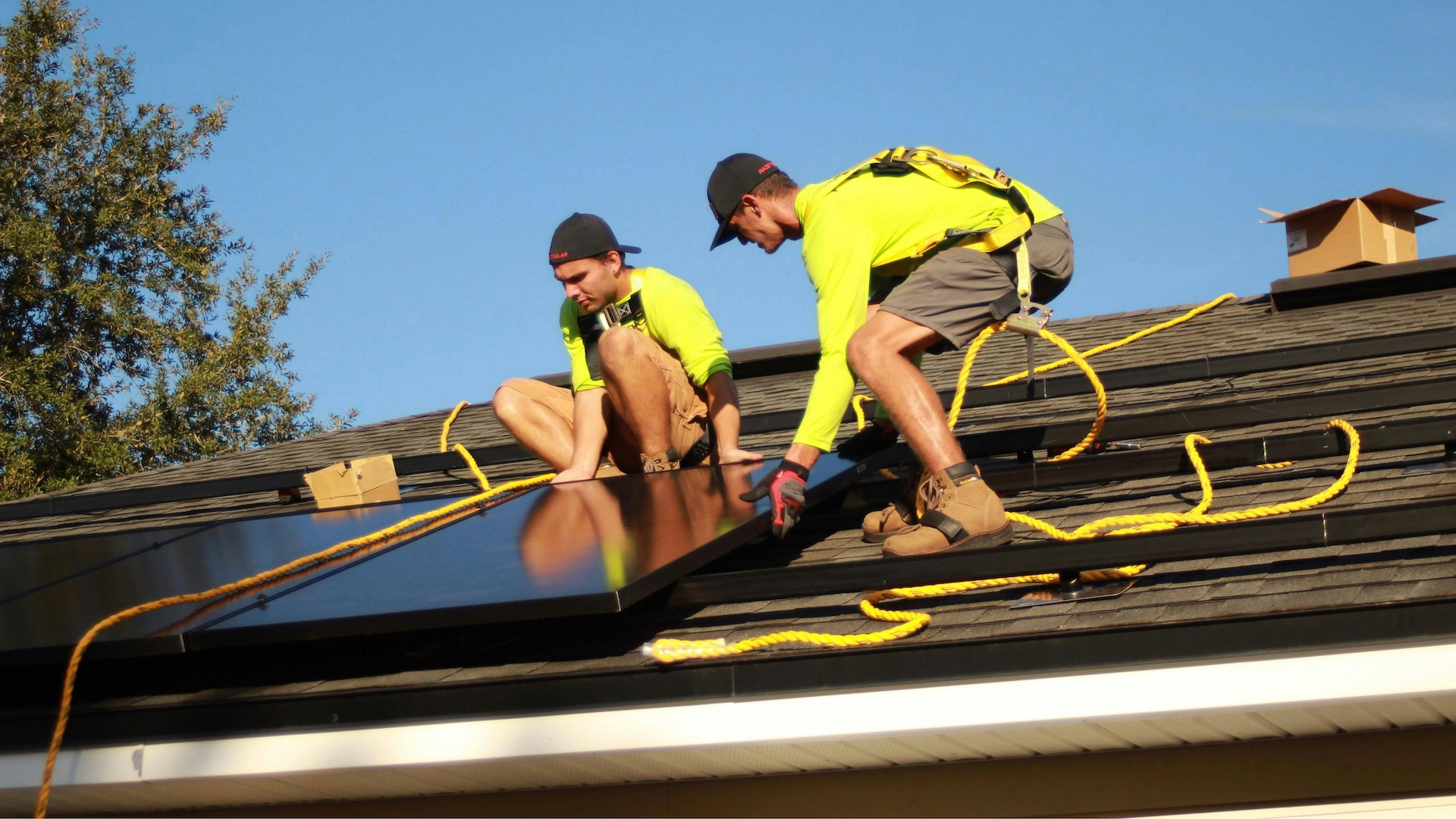
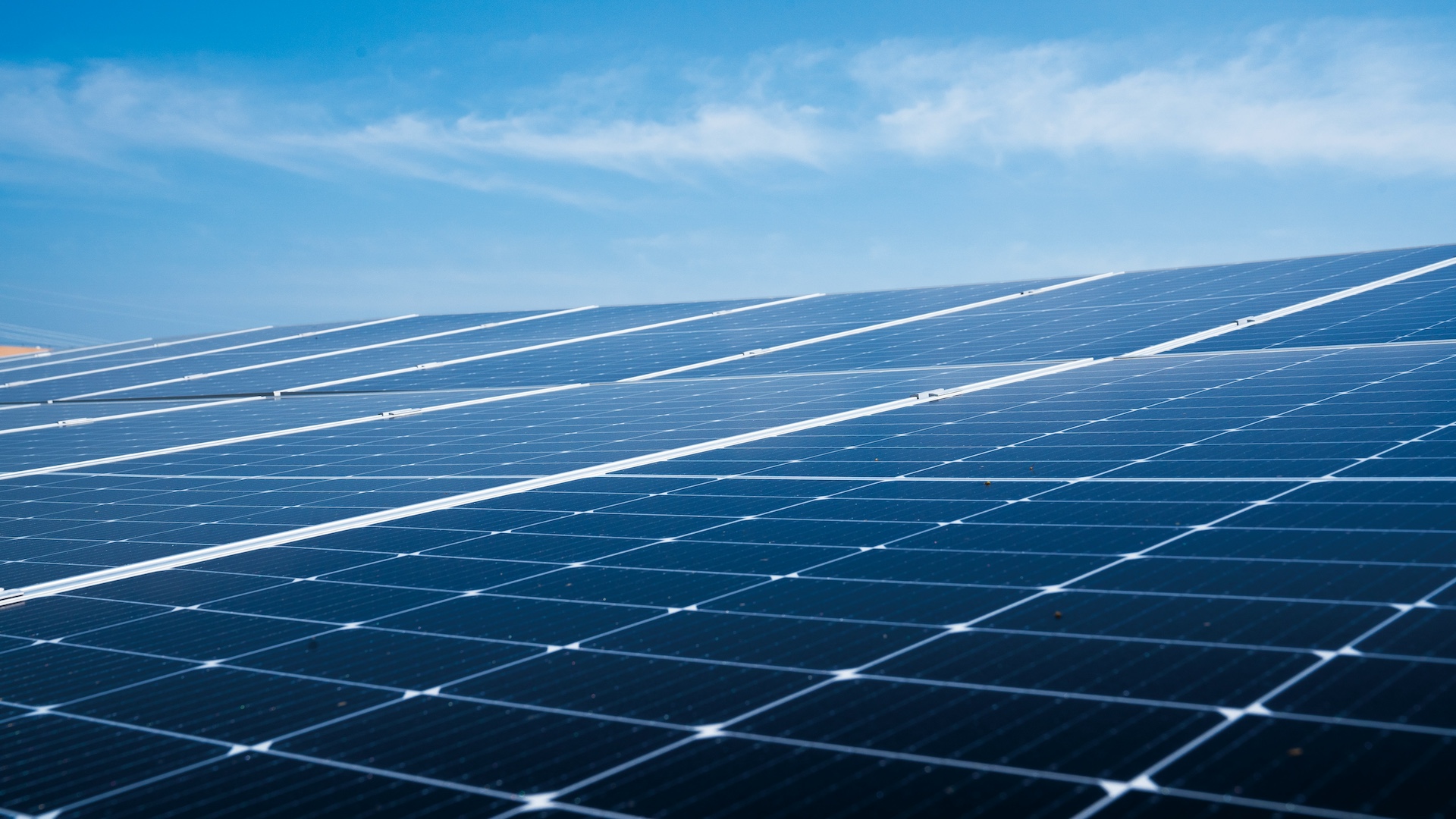
Commercial buildings can often have large roof areas available for solar panels, unlocking plenty of potential to generate their own solar power during daylight hours, as this is when many businesses use the most energy. Of course, this can vary from business to business, which is why a bespoke energy strategy is essential.
Generating your own electricity in this way can reduce the amount of electricity you need to purchase from the grid, all while supporting wider carbon-reduction goals.
But commercial solar needs to be designed around the business.
At EVR, we consider factors including your consumption levels, available space, electrical infrastructure and future energy requirements. The goal isn't simply to fit as many solar panels as possible; it's to design a system that works for the site and how your organisation actually uses electricity.
Step 5: Look Beyond Generation With Battery Storage
Generating your own electricity is one part of becoming more energy smart.
The next question is when you use it.
And that’s where battery storage can come into the picture.
A commercial battery can store electricity for use at another time, allowing your organisation to make greater use of the energy generated by your solar PV system.
But battery storage isn't automatically right for every business.
Its value depends on factors such as your consumption, solar generation, operating hours, electricity tariff and wider objectives.
This is why we always recommend looking at technologies as part of the complete energy picture, rather than in isolation.
Step 6: Plan for Tomorrow's Energy Demand
An effective energy strategy shouldn't only solve today's challenges.
Think about where your organisation could be in five or ten years.
Will you have more employees? Additional buildings or machinery? Are you considering electrifying parts of your operation? What about your company vehicles?
EV charging is a good example of why forward planning matters.
Installing charging for a couple of vehicles today is one thing. Preparing for an expanding electric fleet, employee charging, or customer charging can create very different electrical requirements.
Solar PV, battery storage, EV charging and your existing electrical infrastructure all need to be considered together as part of your wider energy strategy.
Planning ahead can help you make investment decisions today that support where your business is going tomorrow.
Step 7: Review, Adapt and Keep Improving
Your energy strategy shouldn't be drafted once and then forgotten about.
Businesses change. Technology evolves. Energy requirements fluctuate. New opportunities arise.
That’s why it’s important to make regular reviews part of your ongoing strategy.
Look at how much energy you're using, how installed technologies are performing and whether you're making progress towards the targets you've set.
Then consider what has changed. And whether your strategy needs to change with it.
Perhaps your business is expanding. Maybe fleet electrification has moved higher up on the agenda. Or an energy-saving measure has performed particularly well and created a case for further investment.
Long story short: your energy roadmap should evolve with you.
What Does a Business Energy Roadmap Look Like?
While every organisation is different, a useful framework is:
Audit → Reduce → Monitor → Generate → Store → Electrify → Review
To summarise:
- Start by understanding where your energy goes
- Reduce unnecessary consumption
- Monitor the results
- Explore whether generating and storing your own electricity makes sense
- Prepare for future electrification
- Then keep reviewing and improving
It doesn't have to happen in exactly that order, and you may not need every stage during every strategy review.
And more importantly, you don't have to do everything at once.
Your business might start with LED lighting and better monitoring before investing in commercial solar. Battery storage or EV charging could then be introduced later as your requirements evolve.
A strategic plan helps you decide what to prioritise, when to invest and how each project contributes to the bigger picture.
From Energy Audit to Net Zero: Take It One Step at a Time
“Net zero” can sound like one dauntingly enormous project.
In reality, progress is usually made through a series of smaller, informed decisions.
At EVR, we've been helping homes and businesses across Hampshire become energy smart for more than 25 years.
Our commercial expertise encompasses solar PV, battery storage, electrical services, EV charging and LED lighting, which means we can look beyond an individual technology and consider how different solutions can work together.
That means helping you understand where you are today, identify the right next step and adapt your energy strategy as your business evolves.
Whether you're looking for straightforward ways to reduce energy consumption today or developing a longer-term roadmap for your organisation, we're here to help you understand the options and make informed decisions.
Ready to take a more strategic approach to your business's energy use?
Get in touch with a member of our team today to talk about creating an energy solution that works for your site, budget and long-term goals.