Most businesses know how much they’re spending on electricity. After all, the bill arrives on time every month.
But knowing how much electricity costs isn’t necessarily the same as understanding where it’s being used.
Across a busy office, warehouse, factory or commercial site, dozens of systems could be drawing power throughout the day. While some are essential to keeping the business running, others might be operating for longer than they need to, or consuming more electricity than anyone realises.
And when energy costs are already a significant business expense, these hidden inefficiencies can quickly add up.
When businesses come to us looking for ways to reduce energy consumption, it’s tempting to focus immediately on new technology; solar panels, battery storage and more efficient equipment can all make a huge difference in how your business produces and uses electricity.
But before deciding what to install, there's another question worth asking:
Do you actually know how your business is using electricity?
Why Generating More Energy Isn't Always the First Answer
With renewable energy becoming increasingly accessible, more businesses are exploring ways to generate their own electricity.
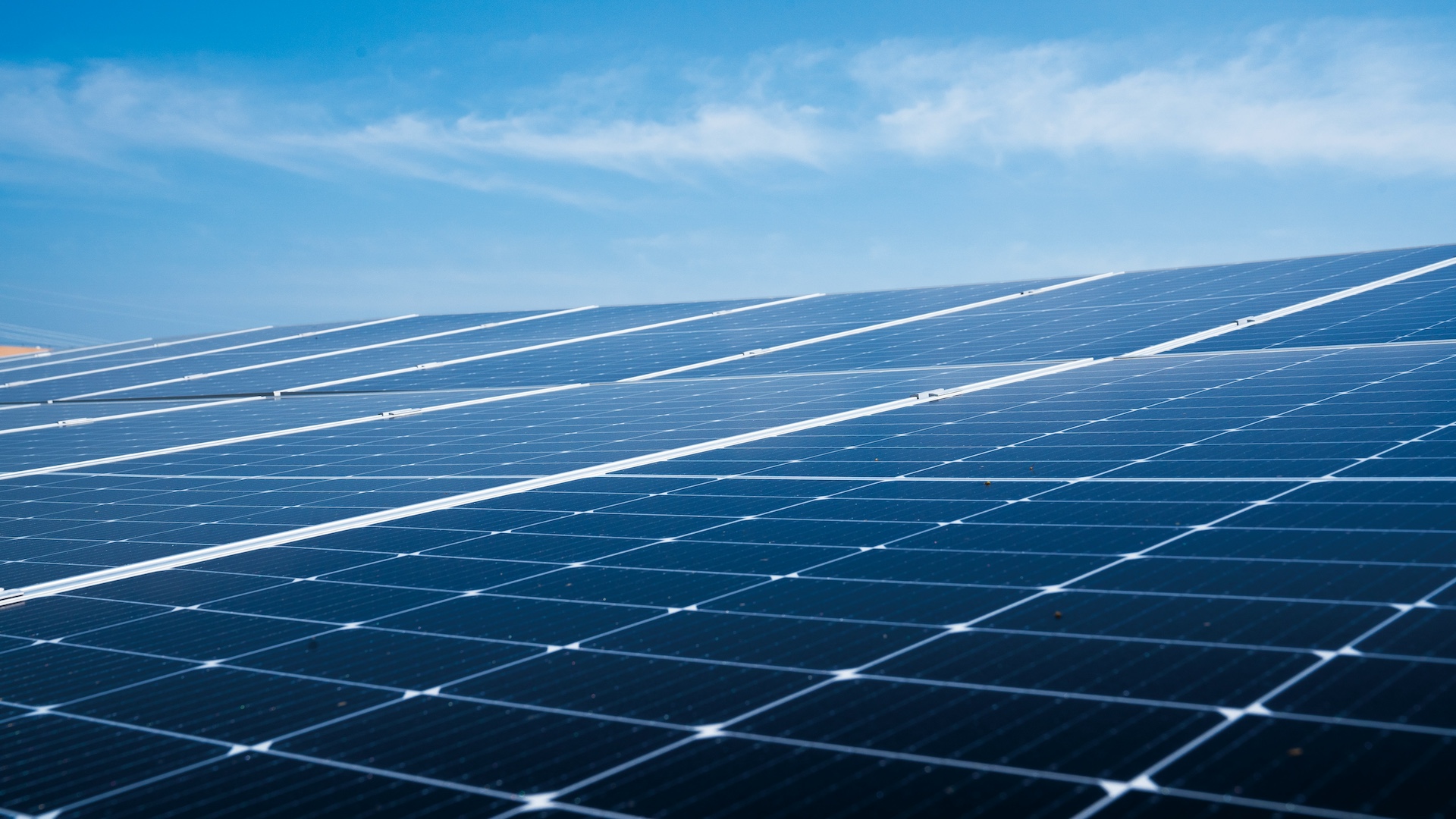
And for good reason. Commercial solar panels can help reduce reliance on the grid, lower electricity costs and support a business’s sustainability goals.
But generating more electricity isn’t necessarily the only opportunity.
Imagine a warehouse where the lighting remains on long after employees have finished for the day. Or an office where heating and ventilation systems continue operating over the weekend, even when the building is largely empty.
Installing solar panels could help offset some of that electricity consumption. But it wouldn’t necessarily address the underlying waste.
Sometimes, the most effective way to reduce energy consumption is to understand where it's being wasted in the first place.
At EVR, we believe businesses should look at their energy requirements as a whole. That means considering not just how electricity can be generated, but how it’s being used, when it’s needed and whether existing systems are operating as efficiently as they could.
And that's where energy monitoring becomes particularly useful.
What Can Energy Monitoring Tell You About Your Business?
An electricity bill gives you an overview of how much energy your business has consumed over a billing period.
What it doesn’t necessarily tell you is which parts of your operation are responsible for that consumption, or whether there are opportunities to use less.
Energy monitoring can help fill in those gaps.
Depending on the equipment installed, monitoring can provide detailed information about electricity use.
Rather than relying on a single monthly figure, businesses can begin to understand their consumption throughout the day.
For example, monitoring data can help you identify:
- When electricity is being used: Are there particular times of day when consumption increases? Does electricity demand fall as expected overnight or at weekends?
- Where electricity is being used: Are certain buildings, departments or systems responsible for a disproportionate amount of consumption?
- How consumption changes over time: Has electricity use increased unexpectedly? Have improvements actually reduced demand?
Not every monitoring system offers the same level of detail, and the right approach will depend on the size and complexity of the site.
But even relatively straightforward insights can give businesses a much clearer picture of what’s happening behind their electricity bills.
The Hidden Energy Costs You Might Be Missing
One of the challenges with electricity consumption is that waste isn't always obvious.
A dripping tap is easy to notice. An inefficient electrical system, on the other hand, might continue consuming unnecessary energy for months – without anyone realising.
Without appropriate monitoring, these patterns can be difficult to spot.
And once you’ve identified where the electricity is going, you can start asking more useful questions, like:
- Could operating schedules be adjusted?
- Would better lighting controls make a difference?
- Is a particular piece of equipment consuming more electricity than expected?
The goal isn't simply to collect data; it's to identify opportunities to make practical improvements.
Why Peak Electricity Demand Matters Too
It's not just how much electricity your business uses that matters. When you use it can also be important.
Across a commercial site, several energy-intensive systems might be operating at the same time. For example, machinery could be starting up just as heating, ventilation and other electrical equipment are already drawing significant amounts of power.
This, unsurprisingly, can create periods of particularly high electricity demand.
For businesses with tariffs that take peak demand into account, these periods may have an impact on overall electricity costs.
Energy monitoring can help reveal when those peaks occur and whether there are opportunities to manage them more effectively.
Of course, not every business can move its electricity consumption around. Manufacturing processes, operating hours and safety requirements will often determine when equipment needs to run.
But understanding your demand patterns is an important first step towards identifying which changes might be practical.
How Monitoring Can Help You Get More from Solar Panels and Battery Storage
Energy monitoring isn't only useful for identifying waste. It can also help businesses make better decisions about renewable energy.
At EVR, we've spent more than 25 years helping homes and businesses across Hampshire become more energy smart. And from our experience, understanding how a property uses electricity is an important part of designing an effective renewable energy system.
Take our Layer O2 project in Reading, for example.
The business wanted to tackle rising electricity costs, significant overnight energy demand and a mismatch between its solar generation and electricity consumption.
To address these challenges, we developed a solution combining solar PV, battery storage and smart energy management.
The solar panels generate electricity during daylight hours, while battery storage allows surplus generation to be used later, helping reduce reliance on the grid overnight. Smart energy management also helps the business identify opportunities to align its electricity consumption more closely with solar generation.
The project demonstrates why understanding when a business uses electricity is just as important as understanding how much it consumes.
The aim isn't simply to install more technology. It's to choose a solution that works around the way your business operates.
Turning Energy Data into Practical Savings
Naturally, installing an energy monitoring system won't automatically reduce your electricity bills.
The real value comes from what you do with the information:
1. Measure your current consumption
Start by understanding how much electricity your business uses, when demand is highest and whether there are any unexpected patterns.
2. Identify opportunities for improvement
Look for areas where consumption could potentially be reduced, such as unnecessary lighting, inefficient equipment or systems operating outside normal working hours.
3. Make targeted changes
Depending on what the data reveals, this might involve adjusting operating schedules, introducing lighting controls, upgrading older equipment or exploring renewable energy solutions.
4. Review the results
Once improvements have been made, compare electricity consumption against your original measurements:
- Have the changes delivered the expected reduction?
- Are there other opportunities worth investigating?
This last stage is particularly important.
Without a clear starting point, it can be difficult to establish whether an investment has genuinely improved energy efficiency.
Monitoring provides a way to assess the results and make more informed decisions about what to do next.
Reducing Energy Consumption Is an Ongoing Process
Even if your business is already operating efficiently, its energy requirements are unlikely to stay exactly the same forever.
In fact, a successful business and its operations are almost guaranteed to change and evolve: new equipment will be installed, working hours may change, a business might expand into another building or introduce new processes that increase electricity demand.
And over time, equipment that was once operating efficiently may begin to consume more energy than expected.
That's why regularly reviewing usage patterns can help businesses recognise when something changes and investigate whether action is needed. It can also help track progress towards internal energy reduction targets and provide useful information for sustainability reporting.
But that doesn't mean someone needs to spend every day studying electricity graphs.
The goal is to have enough useful information to recognise opportunities, spot unexpected changes and make better decisions.
Become More Energy Smart with EVR
For us, helping businesses reduce energy consumption isn't simply about installing the latest renewable technology; it's about understanding how a commercial property uses electricity and identifying which improvements could make the biggest difference.
At EVR, we've been helping businesses across the South of England become more energy smart for over 25 years. Our experience across commercial electrical services, LED lighting, solar PV and battery storage allows us to consider how different technologies can support a site's wider energy requirements.
Because before you can make the most of your electricity, it helps to understand where it's going.
If you're looking to reduce energy consumption and explore how your business could operate more efficiently, get in touch with our team today. We can help you assess your options and identify practical improvements suited to your property, operations and budget.