Solar panels are designed to be reliable, long-lasting and relatively low-maintenance.
Once they’ve been installed, your system can quietly get on with generating electricity in the background.
But low-maintenance doesn’t mean no maintenance.
A solar PV system is a long-term investment, and overlooking changes in its performance could mean you’re generating less electricity than you should be. Dirt, debris, changes in shading and component wear can all have an impact over time.
The good news is that looking after your solar panels doesn’t need to be complicated.
A sensible solar panel maintenance procedure is mainly about monitoring performance, carrying out occasional visual checks and knowing when to call an expert.
So, without further ado, let’s clear up some of the most common maintenance myths and look at what you actually need to do to protect your investment.
Myth #1: “Solar Panels Don’t Need Any Maintenance”
This one isn’t entirely wrong.
One of the advantages of solar PV is that it requires relatively little ongoing maintenance. Solar panels are designed to withstand the British weather and deliver long-term performance.
But “low-maintenance” and “maintenance-free” aren’t quite the same thing.
Regularly checking your solar panels and monitoring their performance will mean that your solar panels continue to work efficiently for their full lifespan (around 30 years).
And no, that doesn’t mean climbing onto your roof every few months. In fact, we’d strongly recommend that you don’t!
Instead, become familiar with how your solar system normally performs. Your smart energy monitors, inverter companion apps or online portal can be very useful here. An unusual or sustained drop in generation may indicate that something needs investigating.
Myth #2: “The Rain Keeps My Solar Panels Completely Clean”
Living in Hampshire, we certainly aren’t strangers to wet weather, especially with winter around the corner.
And yes, rainfall can help wash away a lot of the everyday dust and dirt, particularly because solar panels are usually installed at an angle.
But rain can’t necessarily remove everything.
Over time, panels can be affected by bird droppings, pollen, dust or leaves. How much builds up depends on the property and its surroundings. For example, a home in a dry or dusty area, or one that’s surrounded by trees, may experience more dirt and debris than a home with a clear, open roof.
But why does this matter? Solar panels need sunlight to generate electricity. Significant dirt or debris covering part of the panel can potentially affect the amount of energy it can generate.
It’s generally worth checking your panels every 12 to 18 months. If there’s obvious build-up that isn’t clearing naturally, particularly alongside an unexplained reduction in generation, it may be time to seek professional advice.
Myth #3: “If My Panels Are Generating Electricity, Everything Must Be Fine”
There’s a difference between a solar system working ‘just fine’ and performing as expected.
Solar generation naturally changes throughout the day and across the seasons. Factors like daylight hours, sun position and cloud cover will all affect how much energy can be generated by your solar panels.
While your generation during the darker, winter months may be lower, this is normal and doesn’t automatically indicate a problem.
What’s more useful is understanding the bigger picture.
Regular monitoring is one of the easiest forms of solar maintenance because you don’t need to touch the equipment. Look for unusual changes, warnings or a sustained reduction in generation that can’t easily be explained by the weather or season.
Just a few minutes of checking every once in a while can give you confidence that your system is continuing to do what it was designed to do.
Myth #4: “Solar Maintenance Just Means Cleaning the Panels”
When people hear “solar panel maintenance”, cleaning is often the first thing that comes to mind.
But your panels are only one part of your solar PV system.
A typical installation also includes an inverter, mounting equipment, electrical cabling and monitoring equipment. You may also have battery storage, allowing you to store more of the electricity generated by your solar panels for use when you need it.
These components have different jobs and won’t necessarily age at the same rate.
Your inverter, for example, performs the crucial job of converting the DC electricity generated by your panels into AC electricity that can be used in your home. Solar inverters will likely need to be replaced every 10 to 15 years, according to the Energy Saving Trust.
That’s why proper solar maintenance should consider the whole system, rather than simply whether the panels look clean.
It’s also why choosing an experienced installer matters. Solar PV isn’t simply a collection of panels on a roof; it’s an electrical generation system that needs to be properly designed, installed and maintained.
Myth #5: “I Can Do All the Maintenance Myself”
There’s plenty homeowners can do to help look after their solar PV system.
You can monitor generation levels, check for alerts and look at the panels safely from ground level. You can also keep an eye on changes around the property, such as trees growing and creating new shading.
What we wouldn’t recommend is putting yourself at risk.
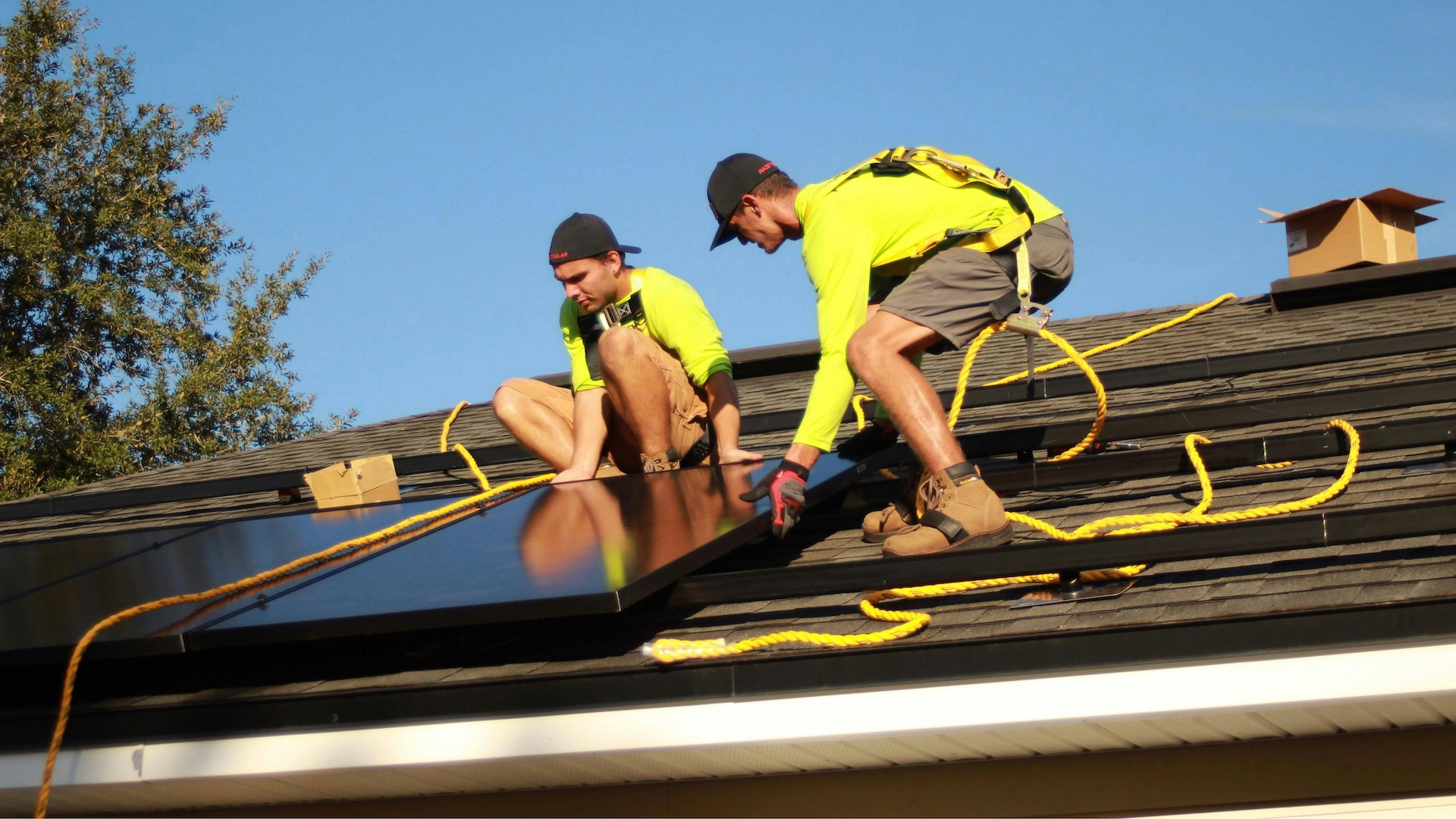
Climbing onto a roof to clean or inspect panels simply isn’t worth a fall. Likewise, electrical faults, damaged cabling, inverter problems and other technical issues require the right expertise.
What Should a Solar Panel Maintenance Procedure Include?
So, what does a good solar panel maintenance procedure actually look like?
For most homeowners, it can be kept simple.
- Monitor: Regularly check generation and become familiar with your usual performance throughout the year.
- Look: From a safe position, check for visible dirt, debris, damage or changes in shading.
- Check: Pay attention to inverter warnings, monitoring alerts or other signs something isn't operating normally.
- Investigate: If performance changes unexpectedly, it might not be because the panels need cleaning. Weather, shading, the inverter and other system components could all play a part.
- Maintain: Where cleaning, servicing or repairs are needed, make sure to seek expert advice.
It’s worth booking a full professional service every three to five years to inspect for any cracks or inverter issues. We advise you to check your warranty policy so that you can book this service within the valid warranty period.
Electrical testing, repairs and work requiring rooftop access should be left to suitably qualified professionals.
There isn’t one maintenance timetable that suits every installation. Your roof, local environment, system design and equipment can all influence what’s appropriate.
How Often Should Solar Panels Be Checked?
There’s no need to make your solar panels another weekly household chore. Most of the time, they’ll simply get on with their job on their own.
We recommend checking panels, mounting systems and visible wiring every one to two years, plus a professional service every three to five years to keep your solar panels running smoothly and making the most out of your clean energy.
But if your monitoring shows a significant, unexplained change in performance, don’t wait for your next planned check. Get it checked by a professional.
The Real Cost of Ignoring Solar Maintenance
The largest potential cost of poor maintenance isn’t necessarily a repair bill; it can be electricity you could have generated.
If an issue causes your system to produce less energy than expected and goes unnoticed for months, you could end up buying more electricity from the grid instead of using electricity generated on your roof.
Ignoring problems can also mean straightforward issues aren’t identified as early as they could be.
The solution? A little attention over its lifetime can go a long way.
Protect Your Solar Investment With the Right Aftercare
Choosing solar isn’t just about what happens on installation day.
You’re investing in a system designed to generate electricity for your home for decades. You should feel confident that you have somewhere to turn if you need advice further down the line.
That’s where good aftercare matters.
At EVR, we have been helping homes and businesses across Hampshire become energy smart for more than 25 years. As MCS-certified solar panel installers, we design and install solar PV systems around your property, energy use and long-term goals.
And our expertise doesn’t stop once the panels are on the roof.
Whether you want to better understand your system’s performance, have concerns about an existing installation or simply need straightforward advice about looking after your investment, our team is here to help.
Because becoming energy smart isn’t just about installing the right technology; it’s about getting the most from it for years to come.
Think your solar PV system isn’t generating as much as it should? Speak to a member of our team for expert advice on solar panels, system performance and aftercare.
Solar Panel Maintenance FAQs
Do solar panels need regular maintenance?
Solar panels require relatively little maintenance, but they shouldn’t be completely ignored.
Every one to two years, it’s sensible to inspect your solar panels, check for signs of wear and tear and arrange any necessary repairs. Cleaning may also be worthwhile where dirt or debris has accumulated and isn't clearing naturally.
Do solar panels need to be cleaned?
The short answer is: it depends. Rainfall can remove much of the everyday dirt, but bird droppings, pollen, lichen and other debris can sometimes build up.
How regularly you’ll need to clean your solar panels will depend on your surrounding environment and any guidance from your provider.
How do I know if my solar panels need attention?
Look for monitoring alerts, inverter warnings, visible dirt or damage and significant changes in generation that can’t be explained by weather or seasonal conditions.
If something doesn’t seem right, ask an expert to investigate.