For many of us, electricity has always been something we use without thinking too much about it.
Almost as if by magic, you switch something on, and the grid provides the power.
And in our modern world, we rely on electricity for almost everything. From putting the kettle on in the morning to charging our phones, running household appliances and, for some of us, powering our cars.
But the way we use electricity at home is changing.
Homeowners are no longer limited to buying all their electricity from the grid. With solar panels, battery storage and smart EV chargers, households now have more control over how their electricity is generated, stored and used.
And the really interesting part? It's what happens when these technologies start working together.
Rather than treating each one as a separate addition to your property, you can begin to think about your home as one connected energy system.
So, what does that actually look like, and how could it help you become more energy smart?
The Role of Solar Generation: Where a Smarter Home Energy System Begins
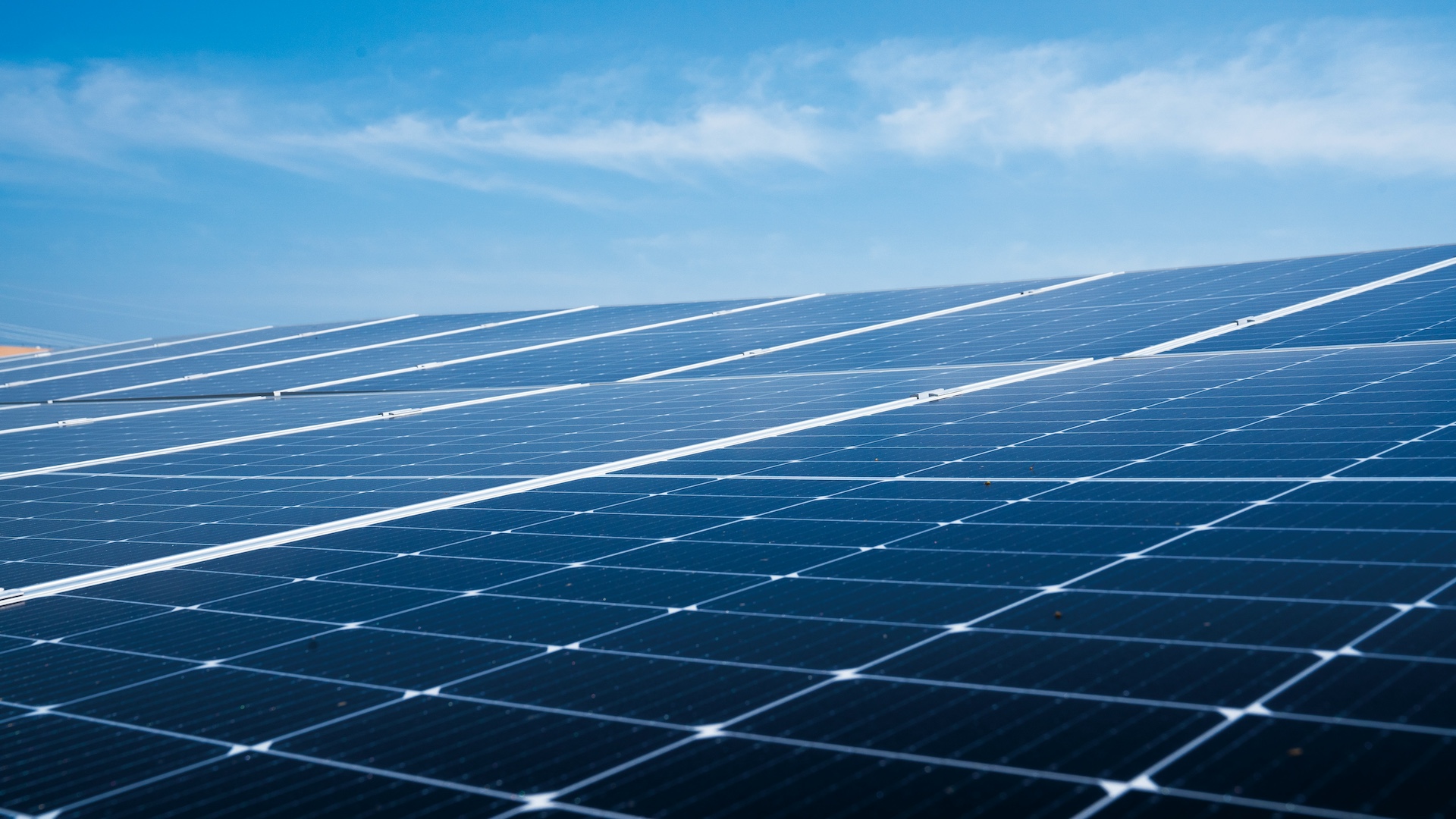
As the name suggests, solar panels generate electricity using sunlight, allowing households to use some of their own power rather than relying solely on the grid.
The role of solar generation in reducing a home's reliance on grid electricity is becoming increasingly important, particularly as more of our everyday activities become electrified.
But there's a challenge.
The times when we generate the most solar electricity don't always match the times when we need it most.
Think about a typical working day. While the sun is shining and your solar panels are producing electricity, your home might be relatively quiet. Then everyone returns from work or school. The kettle goes on, dinner starts cooking, and the television is switched on.
By that point, solar generation may already be falling. And during the darker winter months, there's often less electricity available from your panels in the first place.
This doesn't mean solar panels aren't useful. Far from it. But it does explain why generating electricity is only one part of the picture.
At EVR, we've spent more than 25 years helping homes and businesses across Hampshire become more energy smart. And from our experience, designing a solar system isn't simply about fitting as many panels as your roof can accommodate.
Instead, it's about understanding the property, your household's electricity demand and how your energy requirements might change in the future.
That's where battery storage can make a real difference.
Battery Storage: Making More of the Electricity You Generate
So, what happens to the electricity your solar panels generate when you're not at home to use it?
Without battery storage, surplus solar electricity can be exported back to the grid.
But with a home battery, some of that excess electricity can be stored for your household to use later.
Imagine your solar panels are producing plenty of electricity while you're out at work. Rather than exporting all the surplus, your battery stores some of it so it's available when you return home in the evening.
What does this mean? Well, with battery storage, you can potentially use more of the electricity you've generated yourself, reducing the amount you need to purchase from the grid.
And batteries aren't limited to storing solar electricity.
Depending on your system and electricity tariff, they may also be able to charge using cheaper off-peak grid electricity – ready for use when prices are higher.
Of course, choosing the right battery isn’t simply about finding the largest capacity available or the cheapest option.
A household with relatively low electricity consumption will have different requirements from a busy family home with electric heating, multiple occupants or an electric vehicle to provide energy for.
That's why we believe solar panels and battery storage should be considered together, with the system designed around how the household actually uses electricity.
EV Charging: Bringing Another Part of Your Energy Use into the System
Electric vehicles are becoming increasingly familiar on UK roads.
And if you already own an EV, or you're considering buying one in the next few years, it's worth thinking about how charging it could fit into your wider home energy system.
After all, charging an electric car can add a significant amount of electricity demand to your property.
But unlike some household appliances, there's often more flexibility over when that electricity is needed. With a compatible smart EV charger, you can schedule charging to take advantage of off-peak electricity tariffs, helping to reduce the cost of charging your vehicle.
And if you have solar panels, the opportunities become even more interesting.
A solar-aware EV charger can use monitoring equipment, such as a CT clamp, to detect when your home is exporting surplus electricity to the grid. When your home is producing excess electricity, the charger allows you to put some of the electricity produced on your roof directly into your vehicle.
This is another example of why thinking about these technologies together can be so valuable.
Because, rather than installing an EV charger as a completely separate piece of equipment, you can see more value from considering how this technology can work alongside your solar panels, battery storage and future electricity requirements.
Smart Controls: Helping Everything Work Together
Solar panels, battery storage and EV chargers are all useful technologies individually.
But things become particularly interesting when they can communicate and work together. As we mentioned briefly above, smart controls and home energy management can transform the way your home uses energy – for the better.
Smart meters, monitoring platforms and connected equipment not only help you understand when your home is generating, consuming and storing electricity, but they can also automate some of the decisions about how that electricity is being used.
Instead of constantly checking electricity prices or manually switching equipment on and off, compatible controls can help manage these decisions around your preferences.
The aim isn't to make managing your electricity more complicated; it's to make it simpler.
Of course, not every solar inverter, battery and EV charger will automatically work together.
Equipment compatibility, system design and the available control features all matter, so it's important to think about how the different parts of your energy system will interact.
What Are the Benefits of an Integrated Home Energy System?
When these technologies are designed to work together, the benefits can extend well beyond simply having solar panels on your roof.
One of the biggest advantages is greater control over your electricity.
By generating your own power, storing surplus electricity and making better use of the off-peak tariffs available, you can reduce the amount of electricity you need to purchase from the grid.
And, over time, that can translate into meaningful savings on your energy bills. A household with a solar PV and battery storage system could save between 70% and 90% of their annual electricity bills.
There's also the convenience factor.
With compatible smart controls managing some of the decisions automatically, you won’t need to plan your day around when the sun is shining or constantly monitor electricity prices to check you’re getting the best value.
Your energy system can do that thinking for you.
Of course, installing solar panels doesn’t automatically deliver the greatest savings for every household. How much your home can save will depend on several factors, including installation costs, electricity consumption, generation, tariffs and how the equipment is used.
That’s why it’s best to consult an expert energy partner, so that you can choose the solution that makes sense for your home and its specific needs.
What Does an Integrated Home Energy System Look Like in Real Life?
This might sound like quite a lot of technology to bring together, but it's something we're already helping homeowners achieve.
For one of our residential projects, the homeowners approached EVR looking to become grid-free.
This objective meant we needed to design an interconnected home energy solution, which included a 9.25 kW solar PV system, 17.4 kWh of battery storage and an EV charging point – bringing several aspects of the household's energy use into one overall installation.
The battery system also provided the opportunity to store solar electricity and make use of off-peak energy tariffs and optimise their energy savings, all with an estimated payback period of 5 years. As the client is actively managing the systems and earning an income in the summer to offset the reduced solar generation during winter, their return on investment is expected to come down to just 3 years.
Additionally, we helped configure the EV charger so that, once the home batteries were full, surplus solar electricity could be used to charge the car rather than being exported straight back to the grid.
This project is a great example of what can be achieved when solar generation, storage and EV charging are considered together.
You can read more about the installation in our case study.
Do You Need to Install Everything at Once?
One of the questions homeowners often have about integrated energy systems is whether everything needs to be installed at the same time.
And the answer is no.
For some households, solar panels might be the most sensible starting point, with battery storage added later. Others might already own an electric vehicle and want to install a smart charger before considering solar generation.
The important thing is thinking a little further ahead.
That doesn't mean you need to predict exactly how much electricity your family will use in ten years – unless you have a time machine up your sleeve! But making informed decisions now can help avoid unnecessary complications as your energy requirements change in the years to come.
At EVR, we believe the best approach is to understand what makes sense for your home today, while leaving room for your system to develop in the future.
Bring Your Home's Energy Together with EVR
The technologies powering tomorrow's homes are already available today.
And while the roles of solar generation, battery storage and smart EV chargers each offer their own advantages, it's the way they work together that can make a home more energy smart.
For us, becoming energy smart is about understanding how your home uses electricity and designing a system that works around your property, your budget and your future plans.
With more than 25 years' experience helping homes and businesses across Hampshire, EVR can help you explore your options for solar PV, battery storage and EV charging, whether you're starting from scratch or looking to expand an existing installation.
If you're interested in bringing your home's energy technologies together, get in touch with our team today. We'll help you understand which solutions could work best for your home.