Energy has fast become one of the biggest considerations for commercial buildings.
Rising energy costs, increasing pressure on the national grid and evolving sustainability requirements mean businesses can no longer afford to focus only on today's electricity bills.
Instead, they're asking a much bigger question: how can we make our buildings more resilient over the next decade?
An energy resilience strategy is about preparing your business for the future.
Rather than relying entirely on the national grid, businesses can invest in technologies that improve efficiency, generate their own electricity and provide greater control over how their energy is used.
Solutions such as solar panels for commercial buildings, battery storage and smart energy monitoring are helping organisations reduce risk, while supporting their long-term operational goals.
Whether you own an office, warehouse, hospital, school or industrial facility, developing a long-term energy strategy today can help your business remain competitive, sustainable and prepared for whatever the future brings.
Why Energy Resilience Matters More Than Ever
The UK’s energy landscape is changing rapidly. While businesses have always looked for ways to reduce operating costs, energy resilience has become about so much more than simply saving money.
As a result of recent geopolitical tensions, electricity prices are continuing to fluctuate, making it increasingly difficult to predict long-term operating costs. At the same time, the transition towards electric vehicles, heat pumps and greater electrification is placing additional demands on the national grid.
While it’s true that government regulation is committed to supporting the electric transition for UK businesses, infrastructure upgrades take time, and the national grid’s current capacity simply can’t keep up.
Unfortunately, this is slowing progress on emission targets, pushing many businesses to explore alternatives to relying on grid connection alone.
Because as more and more businesses rely on electricity to power their operations, ensuring a reliable energy supply becomes increasingly important.
Alongside these challenges, many organisations are working towards Net Zero targets, driven both by evolving policy and their own environmental initiatives. Customers, investors and employees are placing greater value on businesses that are actively reducing their carbon footprint and demonstrating sustainable practices.
We believe that creating an energy resilience strategy is not only essential, but also allows businesses to respond to all of these challenges while planning confidently for the future.
For many organisations, the decision isn't simply about lowering electricity bills; it's about investing in infrastructure that delivers measurable returns while reducing long-term operating costs.
What Is an Energy Resilience Strategy?
Simply put, an energy resilience strategy is a long-term plan that helps a business continue operating efficiently, even as energy markets, regulations and technologies evolve.
Rather than relying solely on purchasing electricity from the grid, resilient businesses combine generating, storing and intelligently managing their own energy to improve reliability and reduce dependence on external factors.
This doesn’t necessarily mean becoming completely self-sufficient. Instead, it’s about building flexibility into your energy infrastructure, allowing your business to respond to changing conditions with greater confidence.
This strategy not only reduces a business’s exposure to price spikes and eases grid constraints, but it can also support the clean energy transition.
An effective strategy balances three key priorities:
- Improving operational resilience
- Increasing energy efficiency
- Supporting long-term sustainability goals
By considering all three together, businesses can make investments that continue delivering value for many years to come.
Solar Panels for Commercial Buildings: The Foundation of Energy Resilience
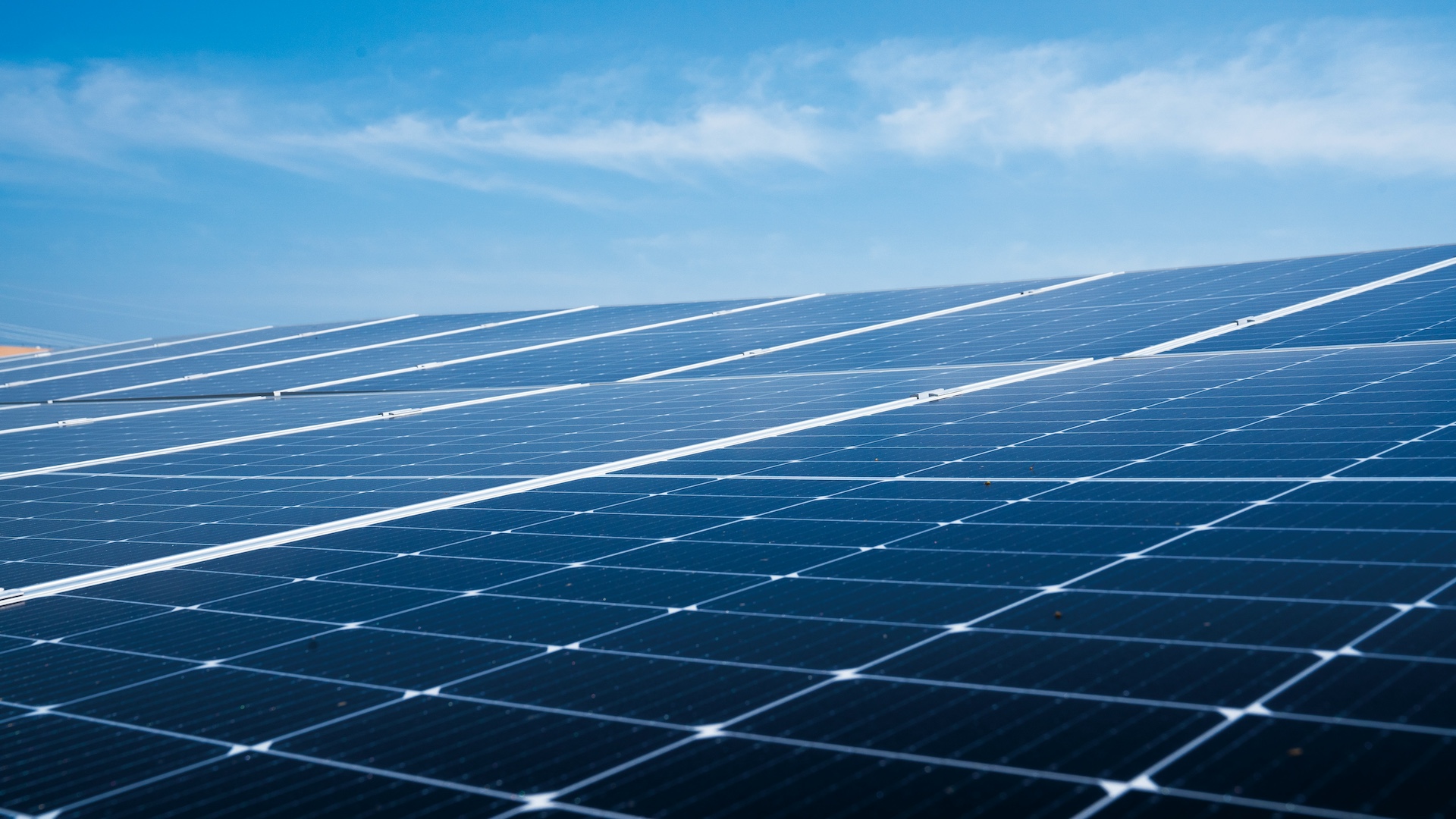
For many organisations, solar panels for commercial buildings provide the starting point for a more resilient energy strategy.
In our experience, one of the biggest opportunities we see on commercial sites is unused roof space. Warehouses, schools and office buildings often have large roof areas capable of generating significant amounts of electricity, yet many businesses are still relying entirely on grid power.
By producing power on-site, businesses can reduce this reliance while lowering their exposure to volatile energy prices.
Solar generation also provides greater certainty over future operating expenses. While electricity prices may continue to fluctuate, generating your own renewable energy helps create a more predictable long-term energy budget.
Beyond the financial benefits, solar panels demonstrate a visible commitment to sustainability. They contribute towards carbon emission targets and support wider environmental objectives, making them a valuable investment for organisations looking to strengthen their ESG credentials.
As solar technology continues to improve, businesses are also benefiting from increased efficiency, reliable systems and consistent, predictable returns, making commercial solar a reliable long-term investment.
Battery Storage: Taking Greater Control of Your Energy
Generating renewable electricity is only part of the solution.
Battery storage enables businesses to maximise the value of the energy they generate by storing unused solar energy for later use. This means that businesses can continue using renewable electricity overnight or during outages.
Battery storage also helps reduce reliance on purchasing electricity during peak pricing periods, improving overall energy efficiency while maximising the return on investment from a solar installation.
Together, solar panels and battery storage create a flexible and reliable energy system that works around the needs of the business.
Smart Monitoring Helps Businesses Make Better Decisions
Installing renewable technology is only one part of creating an effective energy strategy. Understanding how energy is used across a building is equally important.
Smart energy monitoring systems provide real-time insights into electricity consumption, allowing businesses to identify patterns, reduce waste and improve efficiency.
Rather than relying on monthly energy bills, facilities managers can monitor performance continuously, helping them identify opportunities to reduce unnecessary consumption or improve equipment performance.
Monitoring also allows businesses to measure the effectiveness of investments such as solar panels and battery storage, ensuring systems continue operating as efficiently as possible.
With better information comes better decision-making, enabling businesses to continually refine their energy strategy as their needs evolve.
Building a Long-Term Energy Strategy
Creating an energy resilience strategy isn’t about installing every available technology at once. Instead, it involves building a plan that supports both current requirements and future growth.
The first step is understanding how your building currently uses energy. An energy assessment can identify consumption patterns, peak demand periods and areas where improvements can deliver the greatest benefit.
From there, businesses can assess whether solar panels for commercial buildings are suitable for their property, considering factors such as available roof space, electricity demand and future expansion plans.
Battery storage can then be introduced to improve flexibility and maximise the use of renewable electricity, while smart monitoring provides the data needed to optimise performance over time.
It’s also important to think ahead. Many organisations are planning for electric vehicle charging, increased digital infrastructure and wider electrification of heating systems. Building these future requirements into today’s energy strategy can help to avoid costly upgrades later.
Finally, energy resilience should be reviewed regularly. As technology advances and business needs change, an adaptable strategy ensures investments continue delivering value for years and decades to come.
The challenge for many businesses isn’t knowing what renewable technologies exist; it’s knowing where to start. That’s where working with an experienced partner can make all the difference. Following this path, businesses can prioritise their investments and develop a plan that supports both current operations and future growth.
Partnering with the Right Energy Specialist
Developing an energy resilience strategy requires more than installing renewable technologies.
Every commercial building has different energy demands, operational priorities and long-term objectives.
That’s why working with an experienced renewable energy specialist helps businesses understand which technologies will deliver the greatest value, both now and in the future.
At EVR, we work with businesses across the South of England to design renewable energy solutions that support long-term resilience, efficiency and sustainability. Whether you’re taking your first steps towards renewable energy or expanding an existing system, our team can help create a solution tailored to your building and your business goals.
Preparing Your Business for the Next Decade
The next ten years are likely to bring continued changes to energy prices, regulations and electricity demand.
Businesses that start planning today will be better equipped to manage these challenges, while reducing operating costs and supporting their sustainability ambitions.
By combining solar panels for commercial buildings, battery storage and smart energy monitoring within a long-term strategy, organisations can create buildings that are more efficient, more resilient and better prepared for the future.
If you’re looking to develop an energy strategy that supports your business for years to come, EVR can help you take the next step with expert advice and tailored renewable energy solutions.
Contact our team today to arrange a consultation and discover how a tailored energy strategy could reduce long-term operating costs and improve resilience.